
How to Moor a Small Boat in a Busy Harbour
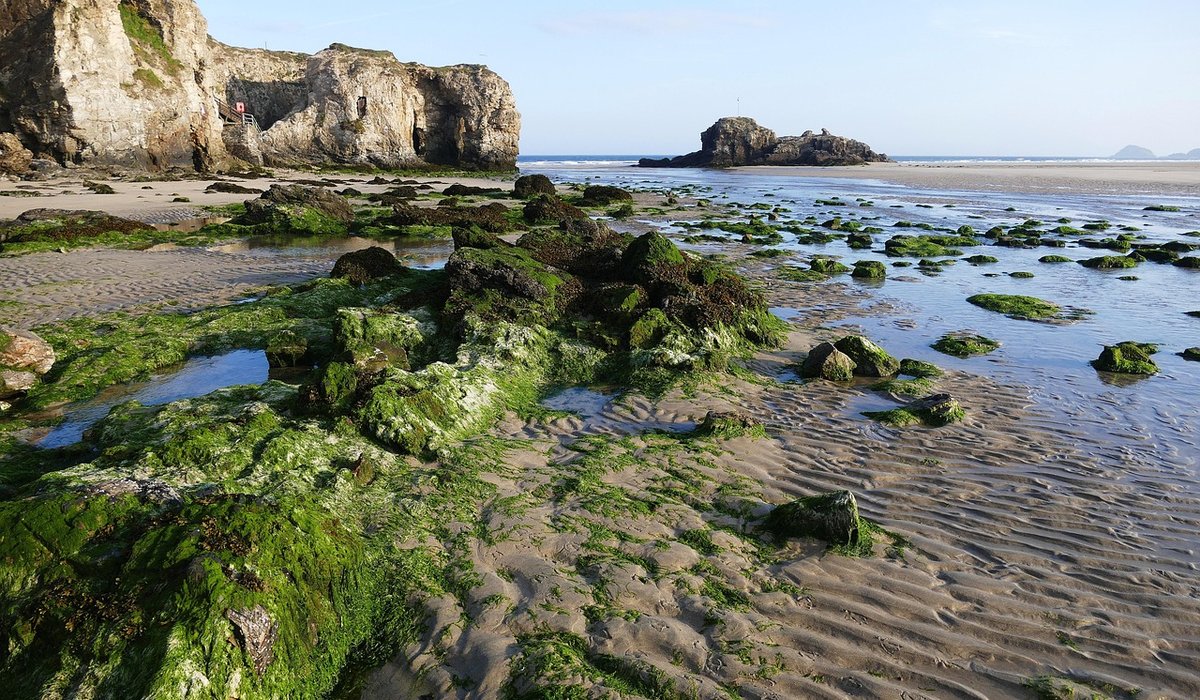
There is nothing quite like the sensation of standing on a chalk headland with the wind trying to remove your hat, or picking your way along a granite path while the Atlantic smashes itself to pieces below. Britain's coastline is roughly 11,000 miles long if you count every inlet and headland, and much of it is walkable. But coastal walking is not the same as a stroll through the Chilterns. The weather changes faster, the ground is often rougher and the consequences of being underprepared are more serious.
The good news is that you do not need a specialist expedition wardrobe. A sensible jacket, decent boots and a few small items will see you through almost anything these islands can throw at you. Here is what actually earns its place in the rucksack.
Start With a Waterproof That Means It
Coastal weather is not merely wet; it is wet and horizontal. Rain that falls straight down is a mild inconvenience. Rain driven by a force seven off the sea feels like being sandblasted. Your outer layer needs to be genuinely waterproof, not merely shower-resistant, and it needs a hood that stays up without you holding it.
Look for taped seams, a brimmed hood that adjusts at the back as well as the sides, and a cut that leaves room for a fleece underneath. Breathability matters more than most people expect, because the effort of climbing a cliff path will have you sweating even in a cold wind. A wet-through walker gets cold very quickly once they stop moving.
Pack a lightweight waterproof trouser as well. They weigh almost nothing and transform a squally afternoon from miserable into perfectly enjoyable.
Boots, Socks and Looking After Your Feet
Coastal paths are rarely smooth. You will meet mud, loose shingle, wet rock, stone stiles, wooden boardwalks slicked with algae and long flights of steps cut into the cliff. Trainers will not do. You want boots with a deep, grippy sole, a supportive ankle and enough stiffness to protect your feet on uneven ground.
Waterproofing is useful but not everything, because feet sweat and boots that cannot breathe become their own kind of problem. What matters most is fit. Buy boots in the afternoon when your feet are at their largest, wear the socks you intend to walk in, and accept that a stiff new pair needs breaking in on short local walks before you take them near a cliff.
- Two pairs of walking socks, with a thin liner pair if you blister easily
- Blister plasters and a small roll of zinc oxide tape
- Gaiters for boggy moorland sections behind the cliffs
- A spare pair of dry socks left in the car or the rucksack
Navigation You Can Trust When the Signal Dies
Mobile phone coverage on the coast is patchy at best. Coves, deep valleys and long stretches of the Scottish and Welsh coastline will swallow your signal entirely, and that is exactly when you are most likely to need a map. A paper map in a waterproof case, plus a compass and the knowledge to use them, remains the gold standard.
Learn to take a bearing and to match the shape of the land to the shape on the page. Coastal navigation has one great advantage: the sea is an enormous, unmistakable feature. Keep it on the correct side and you will rarely go badly wrong. But watch for cliff-top paths that wander inland, and always check the map where a path meets a caravan park, a golf course or a military range.
Take a fully charged phone as well, in a waterproof pouch, with a battery pack. Use it for photographs, tide times and emergency calls. Do not use it as your only means of navigation.
Food, Drink and Staying Warm
Wind chill on an exposed headland can knock ten degrees off the temperature you felt in the car park. Eat little and often rather than saving everything for one lunch stop, because a cold walker who has not eaten makes poor decisions. Flapjack, nuts, oatcakes, a flask of soup and a piece of fruit will keep you going far better than a single soggy sandwich.
Carry more water than feels necessary. Sea air is dehydrating, and there are long stretches of the Pembrokeshire, Norfolk and Highland coasts with nowhere to refill.
Add a spare warm layer, a hat and gloves even in summer, and a lightweight survival bag or foil blanket. These weigh almost nothing and are the difference between an uncomfortable hour and a genuine emergency.
Small Things That Make a Big Difference
A few inexpensive additions turn a good walk into a safe one.
- A head torch, because coastal walks take longer than the map suggests and dusk arrives early under cloud
- A whistle, six short blasts being the recognised distress signal
- Sunscreen and sunglasses, since sea glare is fierce even when the sun is hazy
- A small first aid kit with plasters, antiseptic and tape
- A dry bag for phone, wallet and car keys
- Cash for the honesty box at the remote car park and the pub at the end
Check the tide table before you set out if your route crosses a beach, a causeway or a bay. Do not attempt to outrun an incoming tide; it moves faster than you can and the water is colder than you expect. Tell someone where you are going and when you intend to be back.
Respect the Land You Are Walking Through
Britain's coastal paths cross working farmland, nature reserves and fragile dune systems. Follow the Countryside Code, close gates behind you, keep dogs under control around livestock and nesting birds, and take every scrap of litter home. The path you are enjoying exists because landowners, volunteers and local authorities keep it open.
Pack all of this and you will be ready for the best of it: the gannets diving off a Cornish headland, the long light of a Hebridean evening, the smell of salt and gorse, and that particular tiredness that comes only from a full day spent walking the edge of the country. Choose your kit carefully, and the weather becomes part of the pleasure rather than something to survive.
LEAVE A COMMENT