
How to Watch Marine Wildlife Without Disturbing It
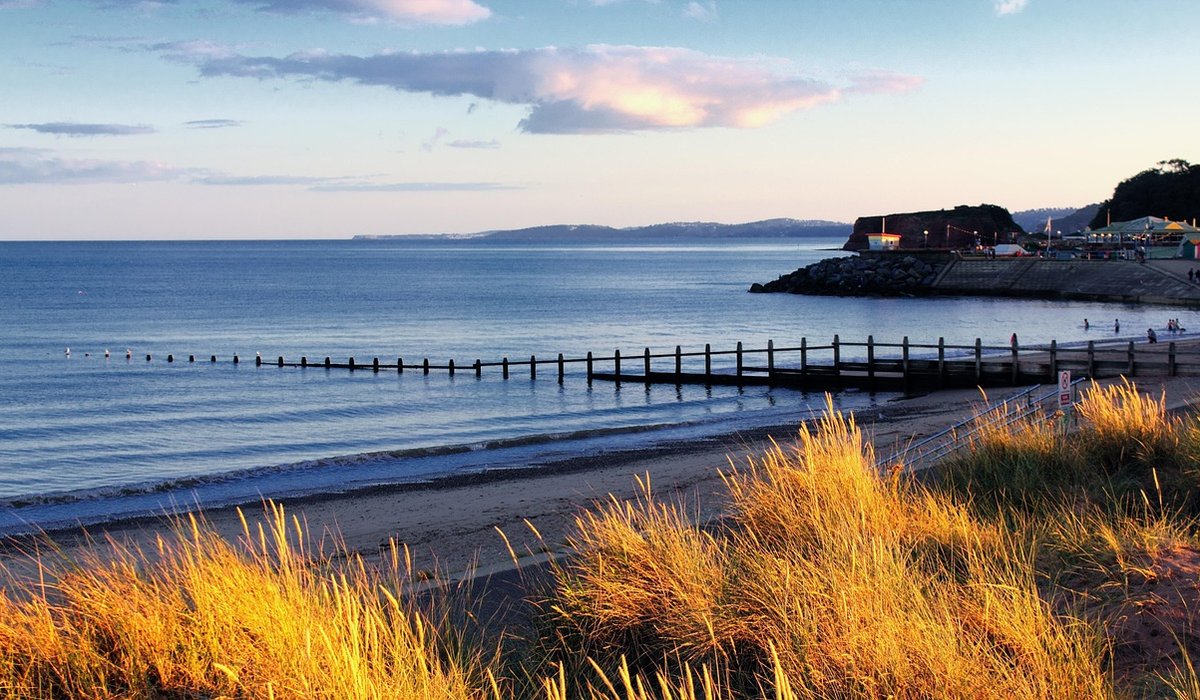
Small harbours, big rewards
There is nothing quite like easing into a small coastal harbour at the end of a long passage: the smell of seaweed and diesel, the rattle of halyards, the harbourmaster's launch coming alongside before your fenders are even out. But these little places, many of them built for fishing boats and coasters rather than visiting yachts, are exactly where mooring space is tightest. In July and August, a harbour that looks empty on the chart can be full by mid-afternoon. A bit of planning, an early arrival and a healthy respect for the local working fleet will make the difference between a relaxed night afloat and a slow, undignified shuffle round the bay looking for somewhere to drop the hook.
Do your homework before you leave the berth
Treat every small harbour as a place with its own rules. The information you need is usually easy to find, but you have to look for it in the right places.
- Pilot book and almanac. Visitor moorings, trots, wall berths and their charges are normally listed here, along with entry depths, sill heights and any bar that needs a fair tide. A harbour that dries to mud is a very different proposition from one with deep water at all states.
- Harbour notices. Local rules change with the season: dredging campaigns, regattas, temporary exclusion zones around a works barge. Check before you commit to a passage.
- Contact details and radio channels. Note the VHF working channel, the harbourmaster's hours, and whether there is a water taxi or a dinghy landing stage.
- Tides on the day. A mooring picked up at high water on a big spring can leave you sitting on a rock six hours later. Work out the depth under your keel at low water, not just on arrival.
Arrive early, and call ahead on the radio
Visitor moorings fill fastest between late morning and early afternoon, when boats that left on the morning tide arrive in a bunch. If you can, plan your approach for late morning, and certainly before the forecast afternoon breeze builds a sea on the entrance. Arriving in the last hour of daylight, tired and hungry, is when mistakes happen.
Call the harbour on VHF before you enter, not after. A short, clear call giving your boat name, position, length, draft and a request for instructions saves everyone time. If there is no answer on the working channel, follow the pilot book's guidance on self-berthing. Some harbours expect you to pick up a buoy and report afterwards; others want you to wait off the entrance until the launch comes out to wave you into a space.
Have lines and fenders ready well before you get close. Picking up a mooring single-handed is far easier if you rig a line from a bow cleat, out through the fairlead and back to the cockpit, so you can reach the pick-up buoy without leaving the helm. Approach into the tide, keep your speed down to something that still allows you to stop, and do not be shy about going round again if the first attempt is untidy.
Fees, dues and how to pay them
Visitor mooring fees are usually modest, commonly somewhere between fifteen and forty pounds a night for a boat in the eight to twelve metre range, with discounted weekly rates. Many harbours also levy a separate harbour due that applies whether you are on a mooring, against the wall, or anchored within the harbour limits. Expect the two to be collected together.
Payment methods vary enormously. Some harbourmasters take cards on the launch, some have an honesty box on the quay, some want cash and a handwritten receipt, and a growing number point you at an online system or a code on the mooring notice. Ask when the launch comes alongside, and keep the receipt as proof you have paid. If nobody comes to collect, go ashore and find the harbour office. Not paying because you were not asked is not a defence, and small harbours genuinely depend on those fees.
Budget for the extras too: water, shore power, showers, landing charges and dinghy storage all add up over a long cruise.
Leave the working berths alone
This is the piece of etiquette that really matters. In a working harbour, a berth that looks conveniently empty is often not empty at all. It is waiting for a fishing boat returning on the evening tide, a shellfish dredger that works nights, or a ferry that needs its turning space. Faded paint marks, bull rails and small signs are the only clues you will get, and the local boat will generally turn up just after you have gone to the pub.
- Never moor to a working boat's buoy without permission, even when the fleet is out. Anchor or ask instead.
- Keep clear of ferry routes and turning circles, and of any berth marked commercial or reserved.
- Leave the fish quay and ice berths alone, even for half an hour. Tying up "just while we get bread" is how arguments start.
- Do not anchor in the middle of a trot or across a mooring chain. The chain will find your anchor in the night.
If in doubt, ask. Harbourmasters and fishing crews are, almost without exception, generous with information and quick to help a visiting yacht that has shown them a little consideration.
When the harbour is full
If the visitor moorings have gone, you still have options. Ask whether you can go alongside another yacht or lie on the wall; rafting up is normal practice in crowded harbours, and a quiet word with the skipper already there usually settles it. If there is genuinely nothing, move clear and anchor away from the fairway and the mooring trots, somewhere you will not swing into anyone at the turn of the tide. Picking up a mooring as someone leaves at first light is often easier than fighting for one at dusk.
What you should not do is settle into a berth and hope nobody notices. Small harbours run on goodwill, and goodwill is built by paying your dues, keeping your lines tidy, and leaving a space when it belongs to someone else. Do those small things well and the reward is a harbour you will want to return to, and locals who will remember you kindly next season.
LEAVE A COMMENT