
Spotting Seals and Seabirds from the Shore
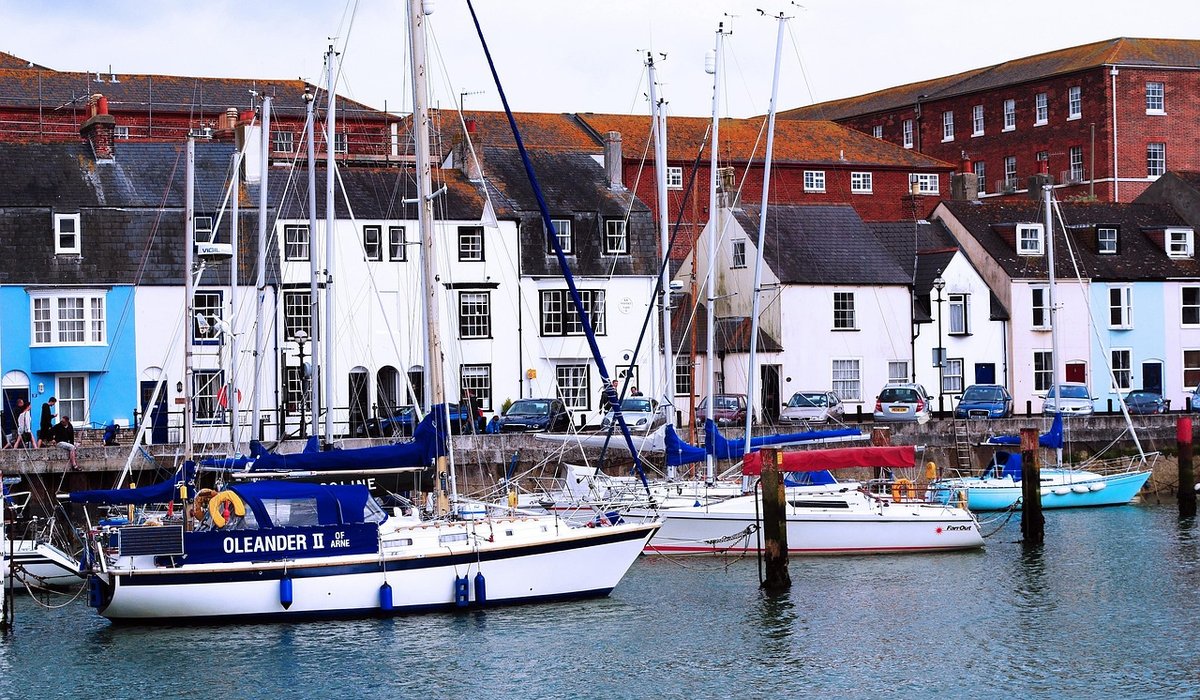
Study the chart before you leave your last berth
An unfamiliar harbour is rarely difficult in itself; it is simply unfamiliar, and the work of making it familiar happens long before you see the breakwater. Give yourself twenty minutes with the chart, the pilot book and the tide tables. It is the cheapest safety equipment you own.
Start wide, then work inwards. Note the chart datum and the scale: a harbour plan at 1:12,500 shows the inner trot moorings and the shallow corner that a passage chart hides. Mark a waypoint two or three cables off the entrance, not on it, so you arrive with time to look, listen and drop the sails. Find the transit or leading line that holds you in the deepest water, and write down the height of tide you need over the bar or sill. If the entrance dries at half tide, the tide table is not background reading — it is your timetable.
- Is the tide springs or neaps? Apply the secondary port corrections for height and time.
- Use the rule of twelfths to work out the depth when you arrive, not when you left.
- Note the soundings on your chosen line, and on the alternative if the wind shifts.
- Read the harbour's own directions: speed limit, radio channel, and any requirement to report.
Know the hazards, and respect the waiting buoys
Buoyage does most of the talking near an entrance. In UK waters we follow IALA Region A: on entry, red cans and pillars stay to port, green cones to starboard. Cardinal marks show where the safe water lies relative to the danger, and a sector light at night beats any amount of peering. Note overfalls, tidal races and any bar; wind against tide can turn a merely choppy entrance into a serious one.
Then look for the waiting buoys: usually yellow, often marked with the harbour's name, deliberately placed outside the entrance. They exist so visiting boats can hold off while the tide makes, the ferry clears the narrows, or a berth frees up. Use them. Creeping past because you are impatient is how small mistakes become public ones. Do not confuse a racing mark or private mooring for a waiting buoy, and keep clear of pot buoys and unlit fishing gear, which rarely appear on any chart.
Check the ferry timetable. Ferries turn and berth with confidence and little warning, and you are always the more manoeuvrable vessel.
Radio ahead before you are close enough to be a problem
Calling ahead is not an admission of inexperience; it is good seamanship, and harbour staff would far rather answer a question than watch you run aground. Listen on the channel first to hear what the traffic is doing, then call on VHF 16 and move to the working channel you are given — many ports use 12, many marinas 80.
Keep it short and useful: vessel name, position, length, draft, and what you want.
- Is there a berth, and will it still be free when I arrive?
- What is the depth in the entrance, and is there a tidal gate?
- Should I wait on a buoy, anchor, or come straight in?
- Which side should I approach, and are there speed or wash restrictions?
Write the answers on the chart in pencil. If nobody answers, wait — anchor clear of the approach or pick up a waiting buoy and try again in half an hour.
Line up the final approach and plan your escape
Half a mile out, the harbour should already be a plan rather than a surprise. Sails down, engine on and running long enough to trust, fenders and warps on deck, crew briefed. Carry just enough speed to steer and no wash; the boat beside the pontoon has a glass of wine on the table.
Use transits, leading lights and a hand-bearing compass, and cross-check the plotter against the chart. A GPS fix can place you confidently on a rock if the chart datum and your plotter disagree. Decide on a bail-out now: a bearing, a depth, or a point past which you will turn away rather than press on. Anchoring outside and waiting for the tide is a successful outcome, not a failure.
At night, slow right down, use the sectors and leading lights, and post a lookout forward with a torch. If you cannot identify the entrance lights with certainty, stand off until you can.
Berth, secure, and write it down
Inside, follow the harbour master's directions rather than your instincts about which way looks tidier. Ask which side to lie, whether the berth dries, and where the tide will leave you. Then make her fast properly: bow line, stern line and springs, with enough slack or take-up for the tide.
Before you leave next morning, spend five minutes writing down what you learned — the tidal gate, the depths you actually saw, the radio channel, the name of the person who helped. It becomes your own pilotage note, and unfamiliar harbours are only unfamiliar once.
LEAVE A COMMENT