
Beginner's Guide to Setting Sail in Coastal Waters
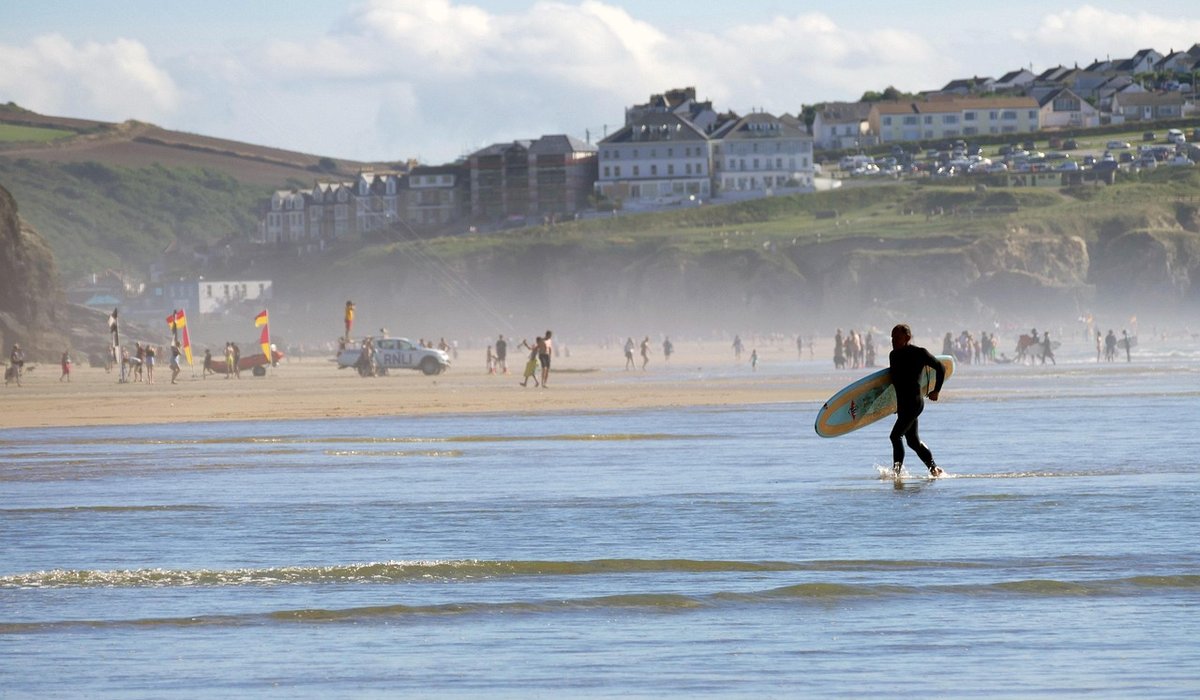
There is nothing quite like the moment a coastal path opens up ahead of you — gorse, sea fret, the low growl of surf somewhere below. But Britain's coast punishes a casual approach. A walk that looks like a gentle five miles on the map can hide 400 metres of climbing, a beach section that vanishes under the tide, and a clifftop wind that makes the last kilometre feel like three. None of that is a reason to stay at home. It is a reason to plan.
Start With the Tide Table, Not the Map
On many of the finest stretches of coast — the South West Coast Path near Porthcurno, the Pembrokeshire Coast Path around Marloes, long sections of the Norfolk coast — the route crosses a beach or drops to one that offers the only way through. Check tide times for the nearest standard port before you pick your day, not after.
- Walk beach sections on a falling tide. Aim to be across within two hours either side of low water, and allow for a slower pace than you planned.
- Know spring from neap tides. Just after a new or full moon, spring tides push water much further up the beach and can cut off a stretch that was passable a fortnight earlier.
- Never try to outrun the water. On flat sand a tide can travel faster than you can walk, especially where channels and gullies fill in behind you.
Read the Weather Properly
Rain is annoying; wind is dangerous. Most coastal incidents begin with exposure rather than injury, so look at wind speed and direction, visibility and the risk of sea fog — not just the sunshine icon.
- Wind. Sustained gusts above 40 mph on an exposed headland make balance and judgement genuinely difficult. Save that clifftop for another day.
- Sea fog. On a warm day with a cold sea it can arrive in minutes and turn a clear path into a white room. Know your bearing before you lose the view.
- Sea breeze. On still summer days the coast often picks up a fresh onshore wind from late morning. Starting at eight means calmer, cooler walking.
- Rain. Clay and mud on the Devon and Cornwall sections turn dangerous after a wet week, even though granite and chalk drain better.
Match the Route to Your Fitness
Distance alone tells you very little about a coastal walk. What matters is total ascent, the state of the path, and how many escape routes exist. A useful rough guide is one hour for every 4 km, plus a minute for every 10 metres of climbing, then add something for stiles, photographs and steep descents.
- New to coast paths? Choose a linear route of 6–10 km with a bus or train back, and under 250 metres of ascent.
- Fit and confident? Fifteen to twenty kilometres with 500–700 metres of ascent is a solid day on a rugged path, especially with a full pack.
- Read the terrain notes. Words such as rugged, steep, narrow and undulating mean exactly what they say.
- Have a plan B. Identify one point where you can cut inland to a road or village if the weather turns or the group flags.
Kit Worth Carrying
You do not need much, but the few things you do need should be good. Footwear matters most: grippy soles, decent ankle support, already broken in.
- A waterproof jacket and trousers that actually keep water out, plus a warm mid-layer — clifftop temperatures often run 4–5°C below inland.
- 1.5–2 litres of water each, more in summer. Many coastal villages have no shop open out of season.
- A paper map and compass, or a charged phone with offline maps and a power bank. Coastal signal is patchy at best.
- A head torch, whistle, small first aid kit and a foil blanket. The blanket weighs almost nothing and matters if someone stops moving.
- Trekking poles if your knees dislike long descents, plus sun cream and a hat, even in May.
Simple Rules on the Path
- Stay back from the edge. Cliffs crumble, particularly on boulder clay and chalk, and a grass tussock at the lip is not a handhold.
- Take livestock seriously. Cattle with calves can be aggressive, so give them a wide berth and keep dogs on a short lead between March and October.
- Watch your feet on descents. Most coast path injuries are twisted ankles and falls on wet steps, not dramatic rescues.
- Turn back if it stops being enjoyable. The path will still be there next month.
Leave Word Before You Leave
Tell someone your route, your expected finish time, and where you have parked. Then message them when you are safely back.
In an emergency in the UK, dial 999 and ask for the coastguard when you are on or near the coast — they coordinate cliff and sea rescue and carry kit you cannot. Give a grid reference if you can, and describe the nearest landmark. If someone is injured, or the tide is closing in around you, call early rather than waiting to be certain.
Do all that and the coast gives you the best walking in Britain: empty headlands, wheeling seabirds, and a low-ceilinged pub at the end of it. Check the tide, respect the wind, be honest about your fitness — and go.
LEAVE A COMMENT