
Beginner's Guide to Setting Sail in Coastal Waters
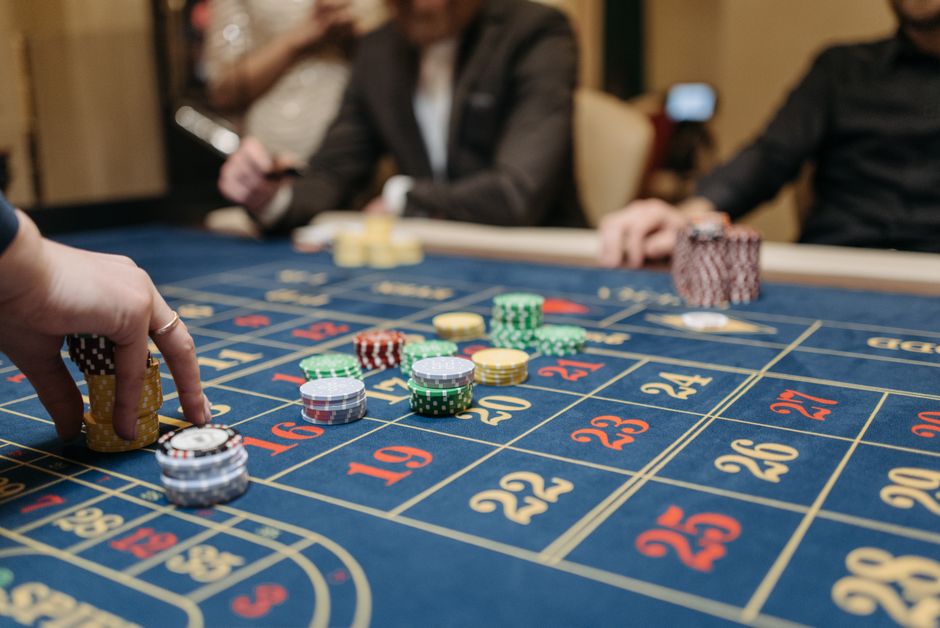
Every gambler remembers their first big win. Mine came on a Tuesday night, a £2 accumulator that turned into £340 thanks to a 89th-minute goal from a defender who hadn't scored all season. I was hooked — not on the money, but on the story. That's the thing about iGaming: it's rarely about the cash alone. It's the drama, the near-misses, the improbable comebacks. But beneath the thrill lies a machine built on mathematics, psychology, and a house edge that never sleeps. Understanding that machine is the difference between a hobby and a slow bleed.
This isn't a lecture about quitting. It's a field guide for anyone who wants to play smarter across casino games, sports betting, slots, and poker — and actually enjoy it for longer.
The House Edge Isn't a Conspiracy — It's the Business Model
Let's start with the uncomfortable truth. Every game you play in a casino or on a sportsbook is priced so the operator profits over time. That's not cheating; it's commerce. The house edge is the mathematical advantage baked into the rules. Blackjack played with perfect basic strategy? Around 0.5%. European roulette? 2.7%. American roulette with its double zero? 5.26%. Slots? Anywhere from 2% to 12%, depending on the machine and jurisdiction.
What does that mean in practice? If you cycle £1,000 through a game with a 5% house edge, you're statistically expected to lose £50. Not every session, not every night — but averaged over thousands of spins or hands. The variance is what makes it exciting. The edge is what makes it sustainable for the casino.
Tip: Games with lower house edges let you play longer on the same bankroll. If you're there for entertainment, that matters more than chasing a jackpot.
Sports Betting: Where the Line Tells a Story
Sports betting feels more skill-based because you're analysing form, injuries, weather, and tactics. And it can be — for a tiny fraction of bettors. But the bookmaker's margin, often called the overround, means the odds on both sides of a market rarely add up to 100%. A typical two-way market might have implied probabilities of 52% and 52%, summing to 104%. That extra 4% is the book's cut. You will find a helpful summary at สล็อต.
Sharp bettors hunt for value: odds that are longer than the true probability suggests. If you believe a tennis player has a 40% chance of winning but the book prices them at 45%, that's a value bet — regardless of whether it wins. Over hundreds of bets, betting value beats betting favourites.
- Line shopping is free money. The same match can differ by 3–5% between books. Over a year, that's a meaningful edge.
- Don't parlay for fun's sake. Combining legs multiplies the house edge. A five-leg accumulator can carry a 20%+ margin.
- Track your bets. A simple spreadsheet will tell you more about your habits than any gut feeling.
Slots: The Most Misunderstood Game in the Building
Slots get a bad reputation, partly deserved. They're fast, flashy, and require no skill. But the RNG (random number generator) behind every spin is audited and tested. There's no hot or cold machine — that's gambler's fallacy. A slot that hasn't paid out in an hour is no more likely to pay out in the next minute than it was before.
What you can control is volatility and RTP. Return to Player (RTP) is the theoretical percentage returned over millions of spins. A 96% RTP slot keeps 4% for the house. High-volatility slots pay rarely but potentially huge; low-volatility slots pay small amounts often. Neither is better — it depends on whether you want a grind or a lottery ticket.
Practical advice: Set a loss limit per session before you spin. When it's gone, stop. The slot will still be there tomorrow.
Poker: The One Game Where Skill Can Beat the House
Poker is different because you're not playing against the casino — you're playing against other players. The house takes a rake (a small cut of each pot), but a skilled player can genuinely profit long-term. That said, the skill gap is brutal. The difference between a break-even player and a winning one is often just a few percentage points in decision quality.
Three concepts separate the winners from the donors:
- Position. Acting last gives you more information. Play tighter from early position, wider from the button.
- Bankroll management. Never buy into a game you can't afford to lose 20 times over. Variance in tournaments is savage.
- Range thinking. Stop putting opponents on a single hand. Think in ranges — what hands would they play this way?
If you're new, start with micro-stakes online. The fundamentals are the same, and the tuition is cheap.
Bonus Offers: Read the Fine Print or Don't Bother
Welcome bonuses look generous. A 100% match up to £200 sounds like free money. But wagering requirements — often 30x or 40x the bonus amount — mean you might need to bet thousands before withdrawing a penny. A 40x wagering on a £100 bonus means £4,000 in bets, usually with time limits and game restrictions. Some games contribute only 10% toward wagering.
That doesn't make bonuses worthless. It makes them a calculation. If you enjoy the games anyway, a bonus extends your playtime. If you're chasing a payout, check the terms first. Never deposit just to unlock a bonus you don't understand.
The Only Strategy That Actually Works: Time and Limits
Here's the uncomfortable conclusion after years of watching players win and lose: the winners are the ones who treat iGaming as entertainment with a budget, not as an income stream. The losers chase losses, double up after a bad beat, and believe the next spin will fix everything.
Set three numbers before you start:
- Session time limit — 60 minutes, then a break.
- Loss limit — a figure you're genuinely comfortable losing.
- Win limit — the point where you walk away with profit, not regret.
Use deposit limits and reality checks offered by regulated operators. They exist because they work.
iGaming is a magnificent form of entertainment when you understand the odds, respect the math, and keep your head. The moment you forget that the house always has an edge, you've stopped playing the game — and the game starts playing you. Play smart, play within your means, and the thrill stays exactly where it belongs: fun.
LEAVE A COMMENT